Introduction
Welcome to the Neurodivergent Guide to the Workplace. This guide is designed to discover your individual work style, foster clear communication with your team mates, manager, and the broader org. This guide will help you create relationships which foster a supportive, inclusive, and productive work environment. And maybe make some good friends along the way 😊
How to Build and Utilize Your Support Network

Start with Individual Relationships
- Building trust with your colleagues is the core of a fruitful work relationship
- Most problems are not technical, they’re relational
- Show vulnerability and use honest, direct communication.
- Don’t just talk about yourself. Demonstrate that you hear what others are saying, and learning about their limitations, needs, goals, and work styles.
Understanding Your Needs
- Reflect on your unique needs and how they can be met.
- Do you get drained by meetings?
- Do you need a more structured work environment and instructions?
- Do you need large blocks of time to focus?
Asking for Help
- Discuss stigma of neurodiversity and importance of asking for what you need
- How this is a win-win for you and your team
Set Boundaries
- Boundaries are not about placing limitations. They’re about letting people know what will and will not build a sustainable workstyle with you
- Set boundaries ahead of time, not when incidents happen. It’s easier to ease people in rather than react emotionally when your boundary is broken
- This is not a free pass for your to slack off or play a victim; it’s about helping you find your most efficient work style and collaborate well with the team
- Find balance between personal and team needs to get the best out of everyone
Examples
- Announce if you're not going to be available during weekends.
- Show that you can build long-term solutions even if energy levels vary.
Iterative Approach
- Building your work style is unique both to you and your team dynamic
- Just like agile, you will learn your work style through experimentation. Expect it to evolve over time
Pay it Forward
- Highlight that you’re passionate about creating a supportive environment for everyone.
- Demonstrate that you have found ways to make things work for you, and they might be helpful for others as well.
- Be there for others. Let them know that they can come to your not just for technical problems but for emotional ones as well. Show empathy.
Handling Conflicts
- Conflicts happen. Don’t shy away from them. They are a growth opportunity
- Nip conflicts in the bud. Address them early. Don’t let them build up, because at that point they’re much harder to reconcile
Example:
- Your manager is making you work overtime almost every week.
- This is affecting your mental health and you are feeling burnout and resentment towards him.
- Address this early on and be vulnerable about how this affects you, that long term, it causes burnout, greatly impacting your productivity.
- Come with solutions, such as allocating specific time in your schedule for these tasks or negotiating a sustainable amount of overtime.
- Establish a boundary of what you are able and willing to do
- Do NOT let this problem build up to the point where you are emotional. It’s much harder to come back from a blow-up
- Set your boundaries early on. Let your team know that you work 9-5 unless it’s a real emergency. A real emergency does not happen every other week
Support Strategies
Manager Support:
- Establish weekly check-ins for calibrations (efficiency, quality, communication) and to discuss goals, project progress, upcoming tasks, and any support needed.
- Specific discussions can include setting clear expectations and using tools like the progress tracker (in resources below) making it easier to track progress and feedback in real time.
- Request explicit task instructions and immediate feedback on projects
Peer Support
- Engage in a structured mentorship program or set up weekly coffee chats with colleagues for informal learning and support.
- Use technical reviews or shadowing opportunities to facilitate easy engagement and sharing.
External Support:
- Connect with a neurodiversity-focused professional coach for monthly sessions.
- Utilize job resources, guides to neurodiversity hiring programs, and tools like ChatGPT for executive function support.
⚡Action Steps
- Schedule weekly meetings with your manager.
- Join or initiate a peer mentorship program and participate in weekly technical review sessions.
- Research and contact neurodiversity-focused coaching services and recommend team training sessions to HR.
Regular and Actionable Feedback
- Performance Metrics and Communication:
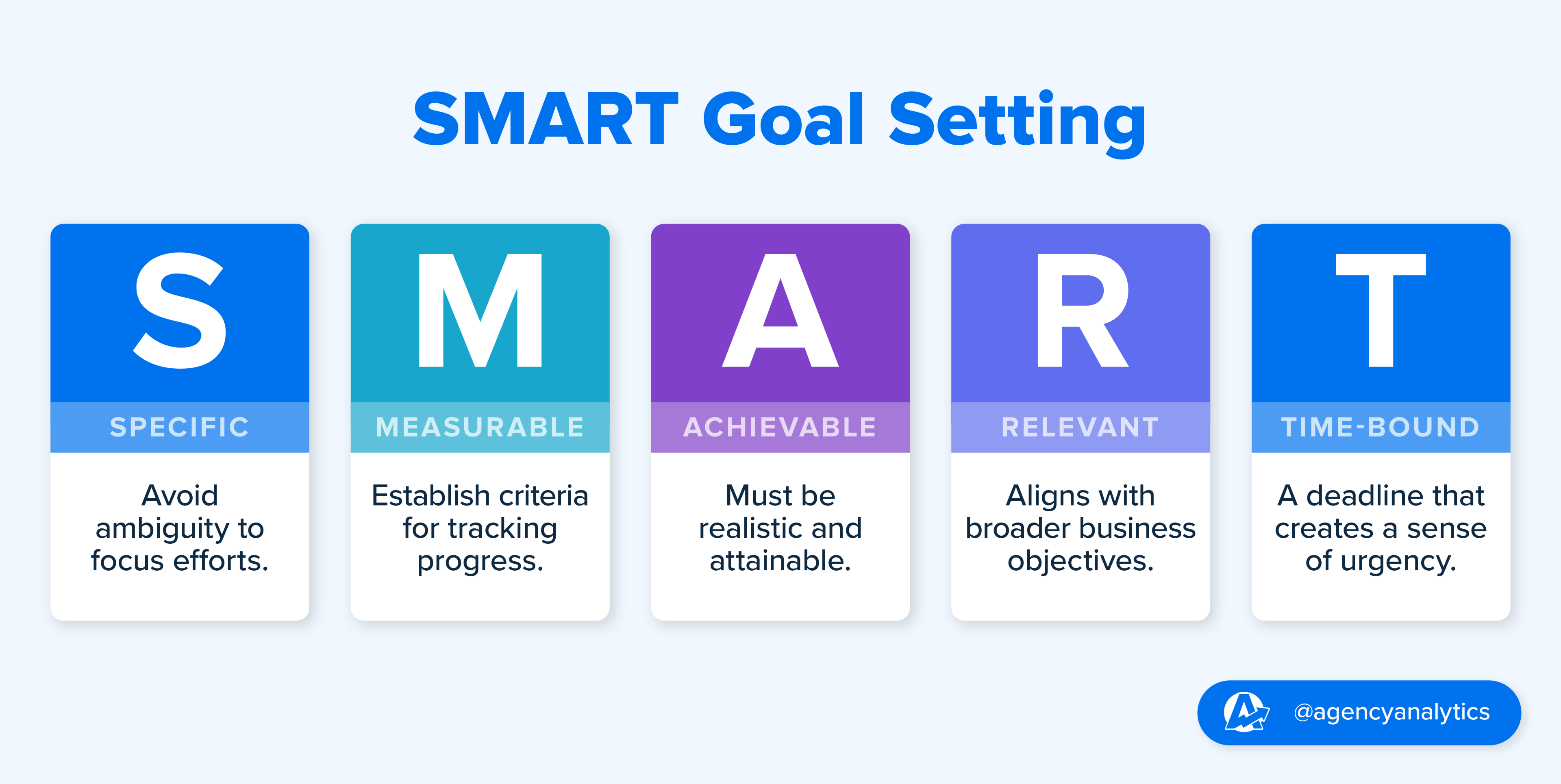
- Use the SMART framework to set and communicate performance metrics, updating them in a shared document accessible to both you and your manager (and possibly peer mentors)
- Review these metrics during your bi-weekly check-ins.
- Importance of measurable, equitable, and actionable metrics for growth.
- Clearly defined responsibilities and measurable expectations.
- Regular Adjustments and Reviews:
- Adjust goals and projects based on weekly reviews, taking into account both personal growth and project evolution.
- Utilize a shared document (below) to make these adjustments transparent and trackable.
- Prioritize measurable outcomes and make anonymized results available for fair assessment.
- Immediate and Frequent Performance Feedback:
- Importance of immediate corrective feedback to prevent negative patterns.
- Implement a system for weekly feedback using a combination of Slack for quick updates, shared document and Google Forms sent to peers for more structured feedback.
- This system allows for continuous communication and the opportunity to address concerns promptly.
Managing Up
- Managing Up: relationship with your manager is a two way street. Don’t hesitate to give your manager feedback about your needs
- How to Give Constructive Feedback:
- give examples of how to improve existing feedback to be constructive and actionable.
- Draft Add here
- Psychological safety as a foundation for personal development and team success.
- Balance of constructive and positive feedback for growth and motivation.
- give examples of how to improve existing feedback to be constructive and actionable.
- Understanding Miscommunications
- discuss common miscommunications and the importance of addressing them collaboratively.
- Pushing back against scope and clarifying action plan
⚡Action Steps
Example: Create a feedback form that asks specific questions about recent projects rating Quality, Communication, and Efficiency quantitatively and qualitatively, and allows for anonymous constructive criticism, ensuring you receive consistent and useful feedback.
Navigating Executive Functioning Challenges

- Perfectionism:
- At the start of each task, work with your manager or a peer to define the scope and determine the Minimum Viable Product (MVP). Request clear, written instructions including explicit timelines and success measures.
- Provide clear instructions, and schedule weekly check-ins to focus on efficiency.
- Practice time-boxing by allotting specific durations to tasks (e.g., no more than 2 hours per task) and using tools like Pomodoro timers to encourage breaks and prevent burnout.
- Prioritization: Utilize daily (morning) and mid-day check-ins to assess task priority, adjusting based on urgency and importance.
- Multitasking: Limit work-in-progress tasks to two at any given time to focus attention and reduce overwhelm. Use document (below) to organize tasks and monitor progress visually. Monitor Slack threads for blockers 3x a day (morning, post-lunch, late afternoon) to ensure continuous progress.
- Focus: Schedule two 90-minute focus blocks per day during your peak energy times
- Procrastination:
- Break down tasks into smaller, actionable steps with clear deadlines.
- For starting tasks, initiate a 15-minute planning session with a peer or mentor twice a week to outline steps and build momentum.
- Encourage pair programming, set small goals, and mix tasks to start projects effectively
- Written Communication Preference: For detailed information, prefer emails or Slack messages, but for immediate concerns or brainstorming, schedule quick 10-minute calls with PM and other stakeholders to clarify and decide on actions promptly. If a slack thread goes over 20 messages without resolution initiate brief sync call
⚡Action Steps:
- Before beginning a task, discuss its scope and MVP with your manager or a peer.
- Set up a system for daily task prioritization check-ins. Check in on blockers 3x a day
- Start a daily progress document
- Explore "body doubling" or pair programming to enhance focus.
Mastering Energy Management
- Energy Peaks: Identify personal energy peaks and troughs over a two-week period. Schedule your most demanding tasks during your peak energy times, and use low-energy periods for administrative tasks or breaks. Work with your manager to adjust work hours and breaks to match your energy levels, ensuring efficiency during your most productive hours.
- Meeting Optimization: Advocate for a "no-meeting" block of 3 hours when you're most productive. Eliminate all but essential meetings, asking for a summary or Raven transcript. Request that meetings be limited to 2 hour blocks
- Flexible Scheduling: Draft
⚡Action Steps:
- Track your energy levels and identify patterns, then share your high productivity windows with your team.
- Propose specific "no-meeting" blocks and meeting duration limits to your manager and team.
Diversity and Inclusion
- Training and Awareness:
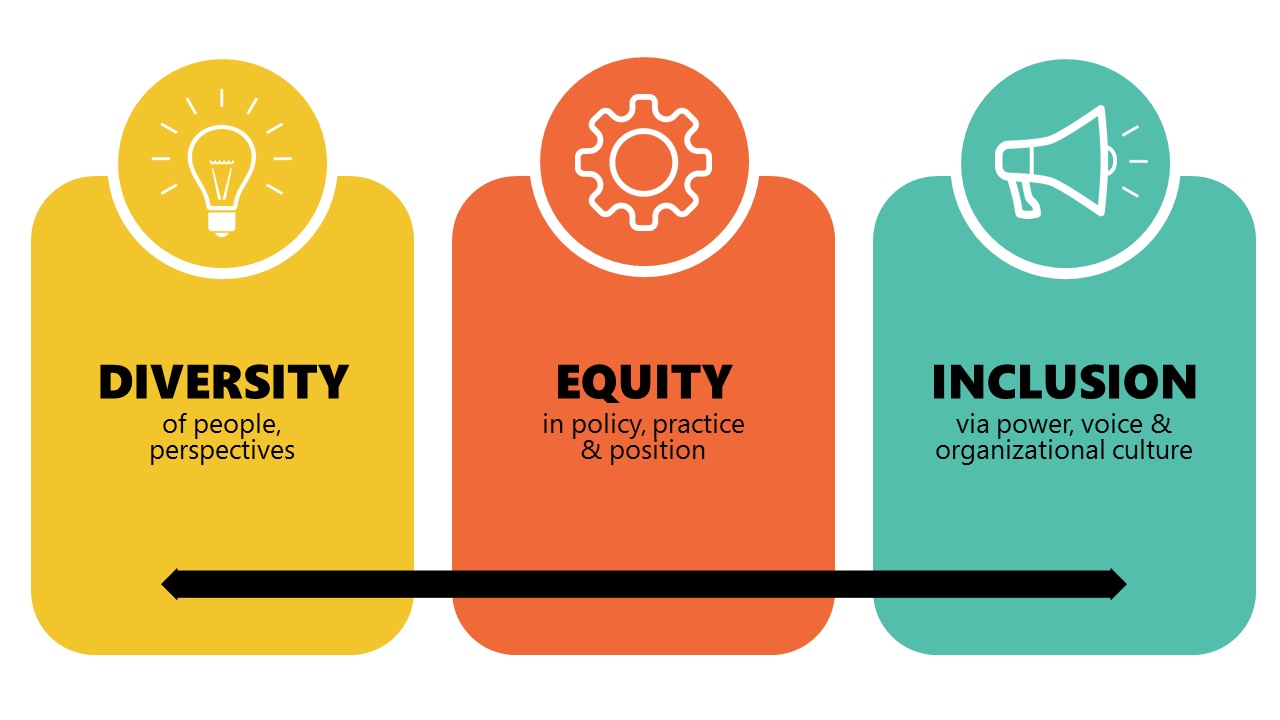
- Facilitate diversity and inclusion sessions, to increase team awareness of neurodiversity, emphasizing practical neuro-inclusion strategies.
- Encourage participation through interactive elements and share your tools like progress documents
- Strategies for neurodiverse apply to everyone!
Action Steps:
- Propose a schedule for diversity training sessions to HR, highlighting the importance of including neurodiversity topics.
- Fork and share this document with your team